

Stepped into Permaculture at Occidental
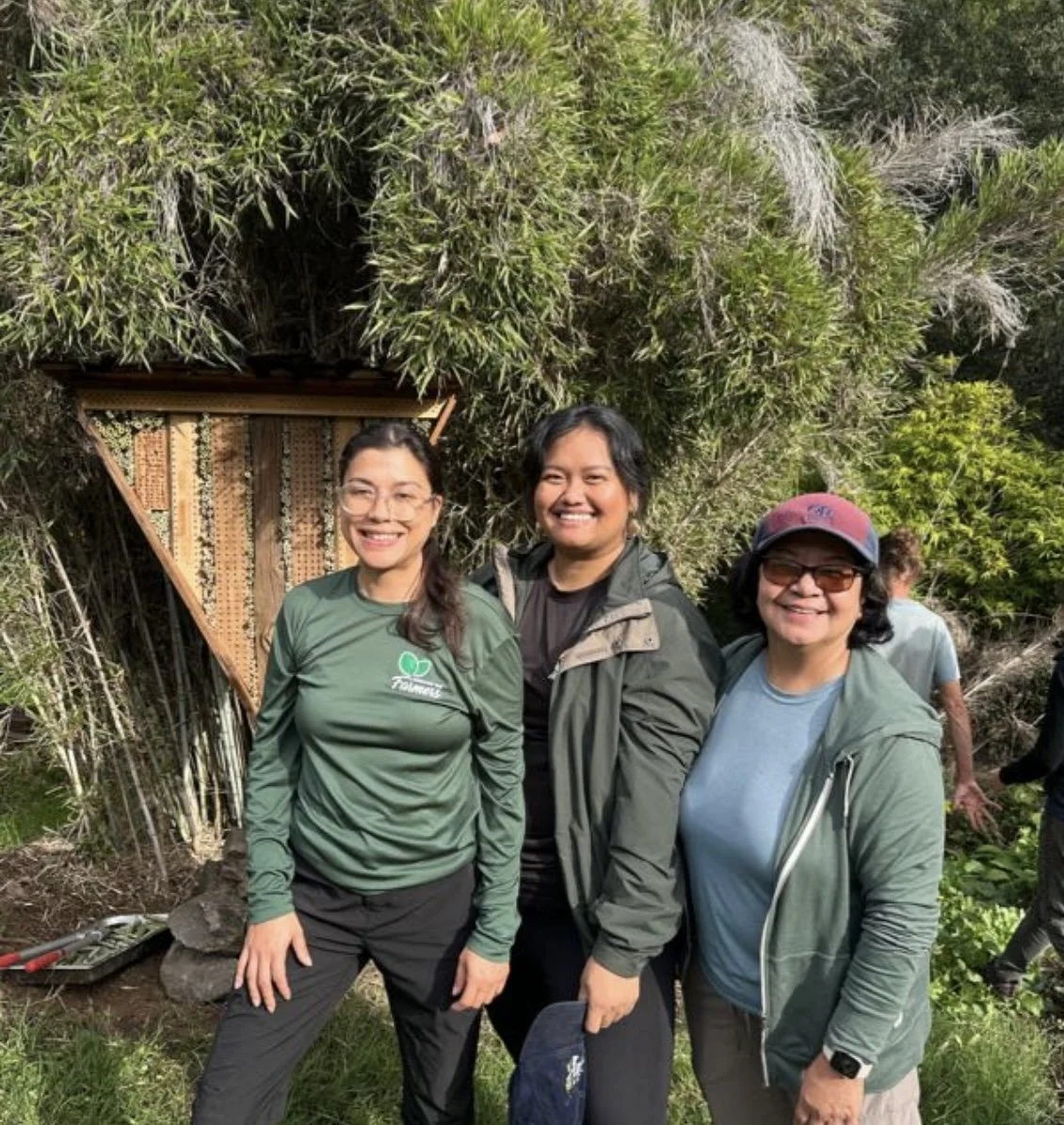
Michelle Crisostomo, Minerva Hermosilla, & Marlyn Oberiano with our assembled native bee house made of bamboo and paper straws
Michelle, Marlyn, and I (Minerva) recently had the incredible opportunity to participate in the Permaculture Design Course (PDC) at the Occidental Arts & Ecology Center (OAEC). Founded over 30 years ago and spanning 80 acres, OAEC has become a research, demonstration, advocacy, and community‑organizing center that develops strategies for ecological and social resilience.
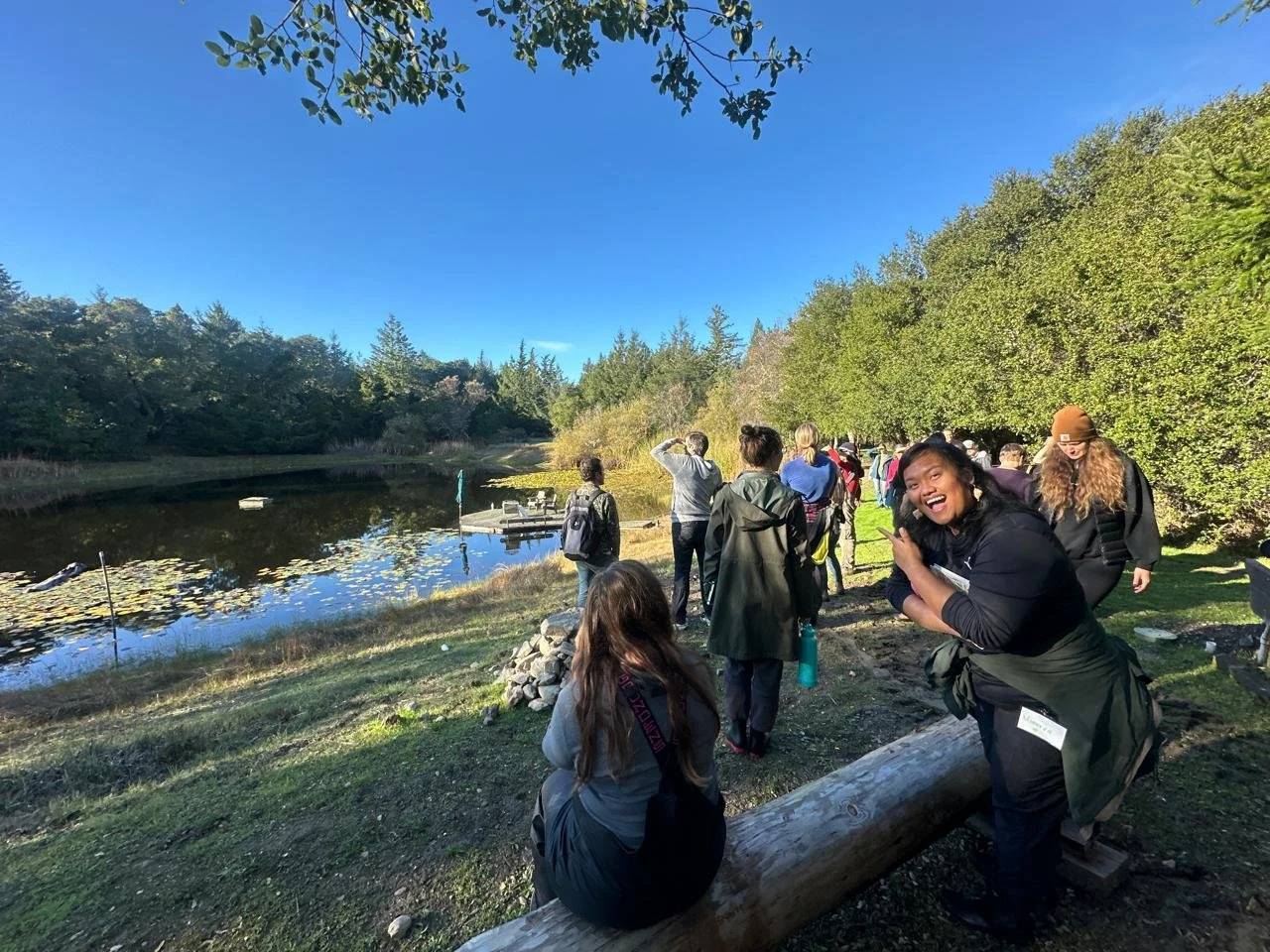
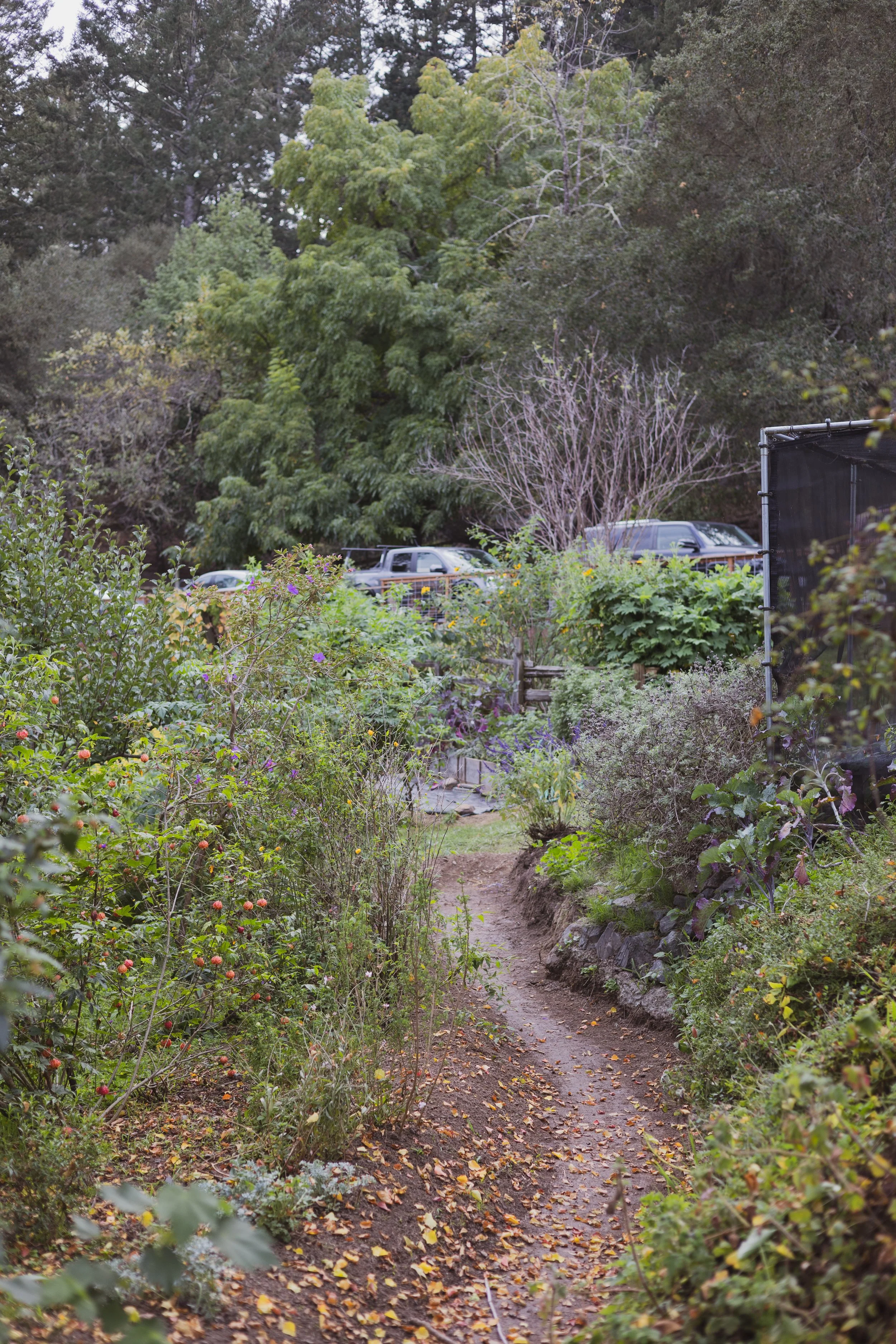
The Pond - used to water north & south gardens, yes, you can swim in it!
Permaculture, as we experienced it at OAEC, is more than just gardening or soil management. It’s grounded in core ethics: Earth Care (prioritizing natural processes that support all life), People Care (ensuring community well‑being in harmony with the land), and Fair Share (ensuring equitable access to resources and limiting overconsumption).
From the very beginning, the most important lesson was: PATO - Protracted and thoughtful observation We were encouraged to watch where the water flows, how the land moves, and pay attention to the animals—our first “earth clients.” Observing patterns in the land, considering zones (which areas are most used.)
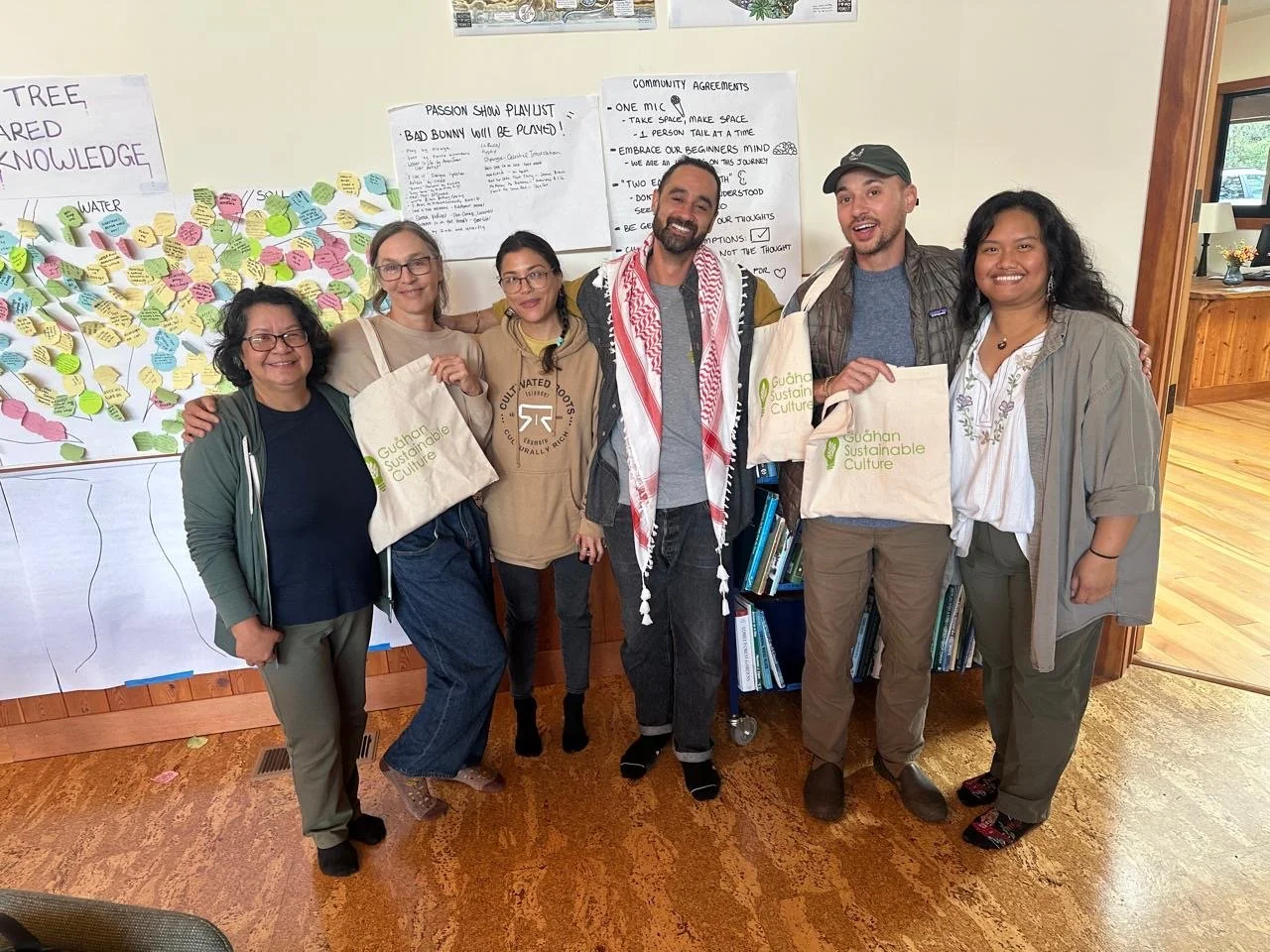
Every part of the experience was meticulously designed, smooth, and adaptable. Our main instructors, Kendal, Dani, and Timo, were not only extremely skilled but deeply passionate about sharing their knowledge.
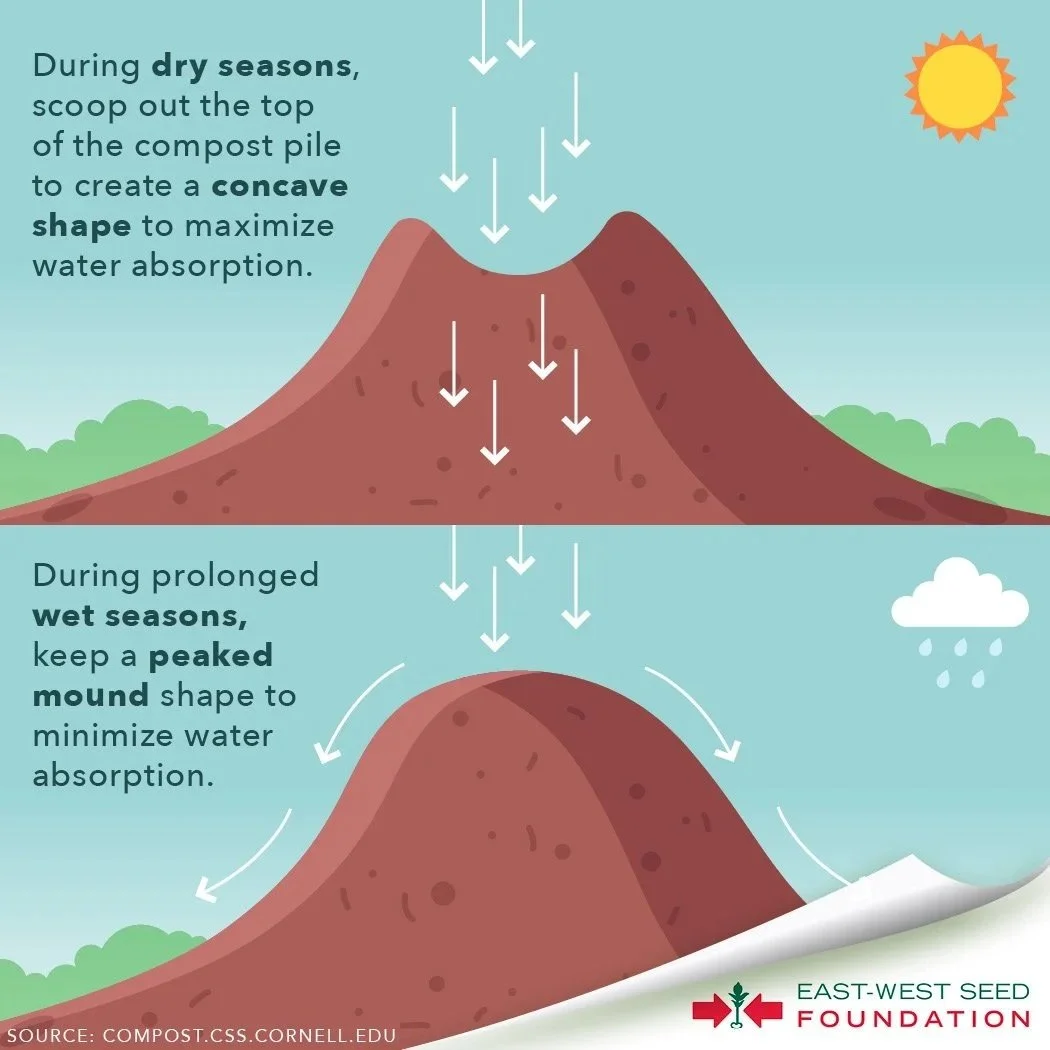
Image found online to describe “volcano method”
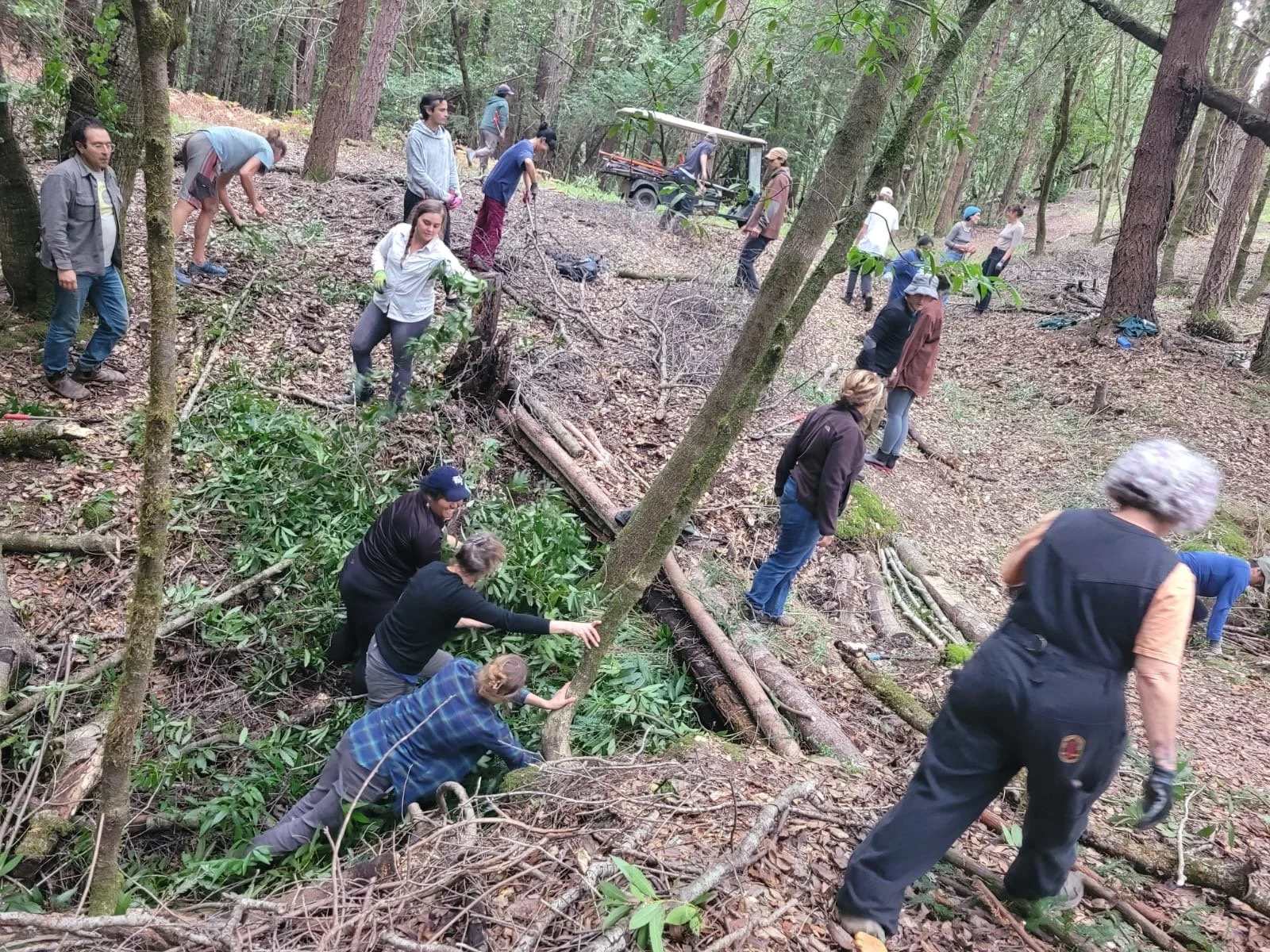
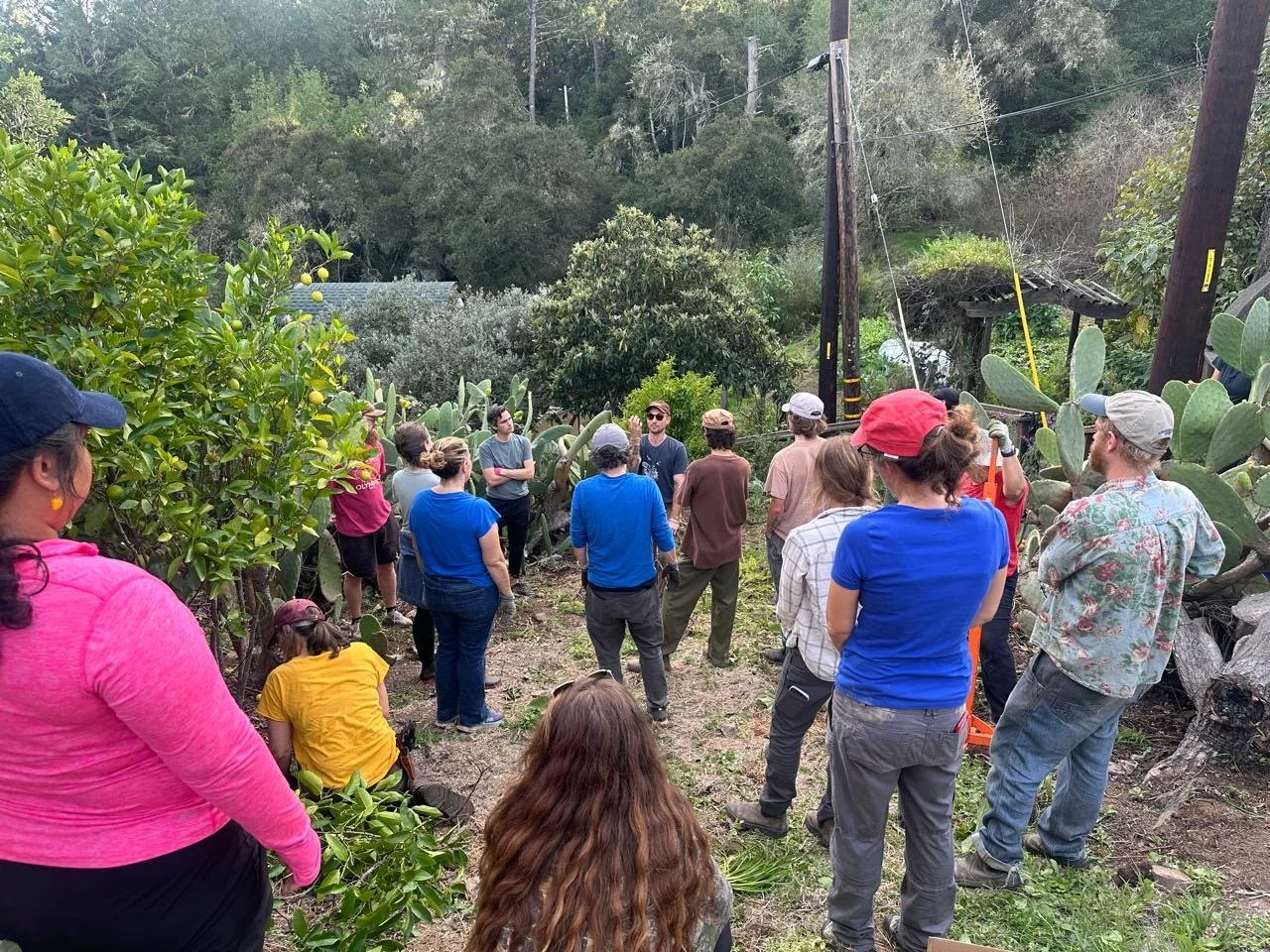
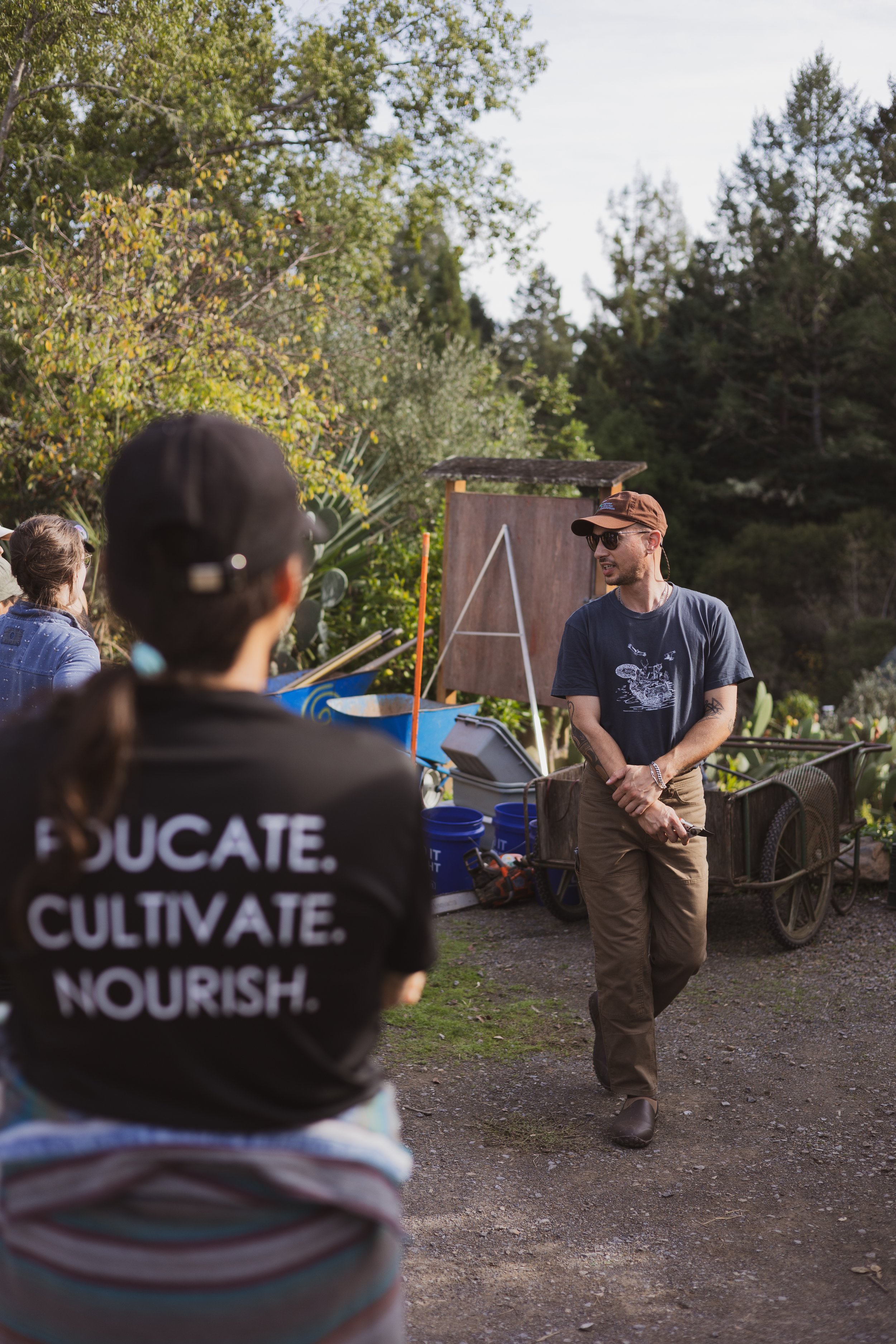
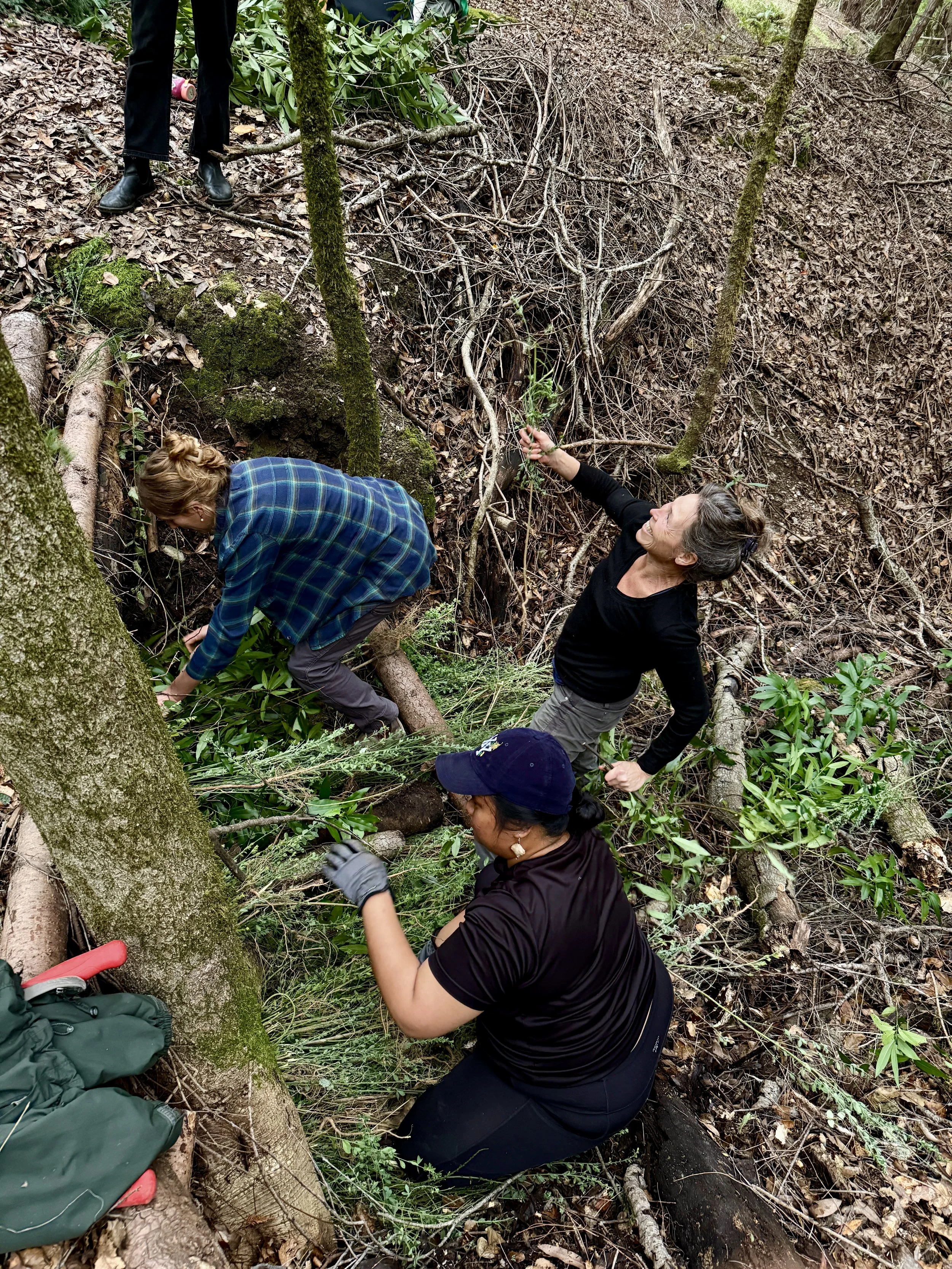
Our days were perfectly balanced between learning and doing. Mornings were spent indoors, diving into topics and afternoons were for hands-on practice, learning and observing food forests, gully stuffing, swale building, soils, water movement, and composting—including spicy compost and the volcano method for moisture retention.
We spent some extra time exploring OAEC’s 80 acres of breathtaking land—though we only glimpsed a fraction of it. Every step reinforced the connection between theory, practice, and adaption.
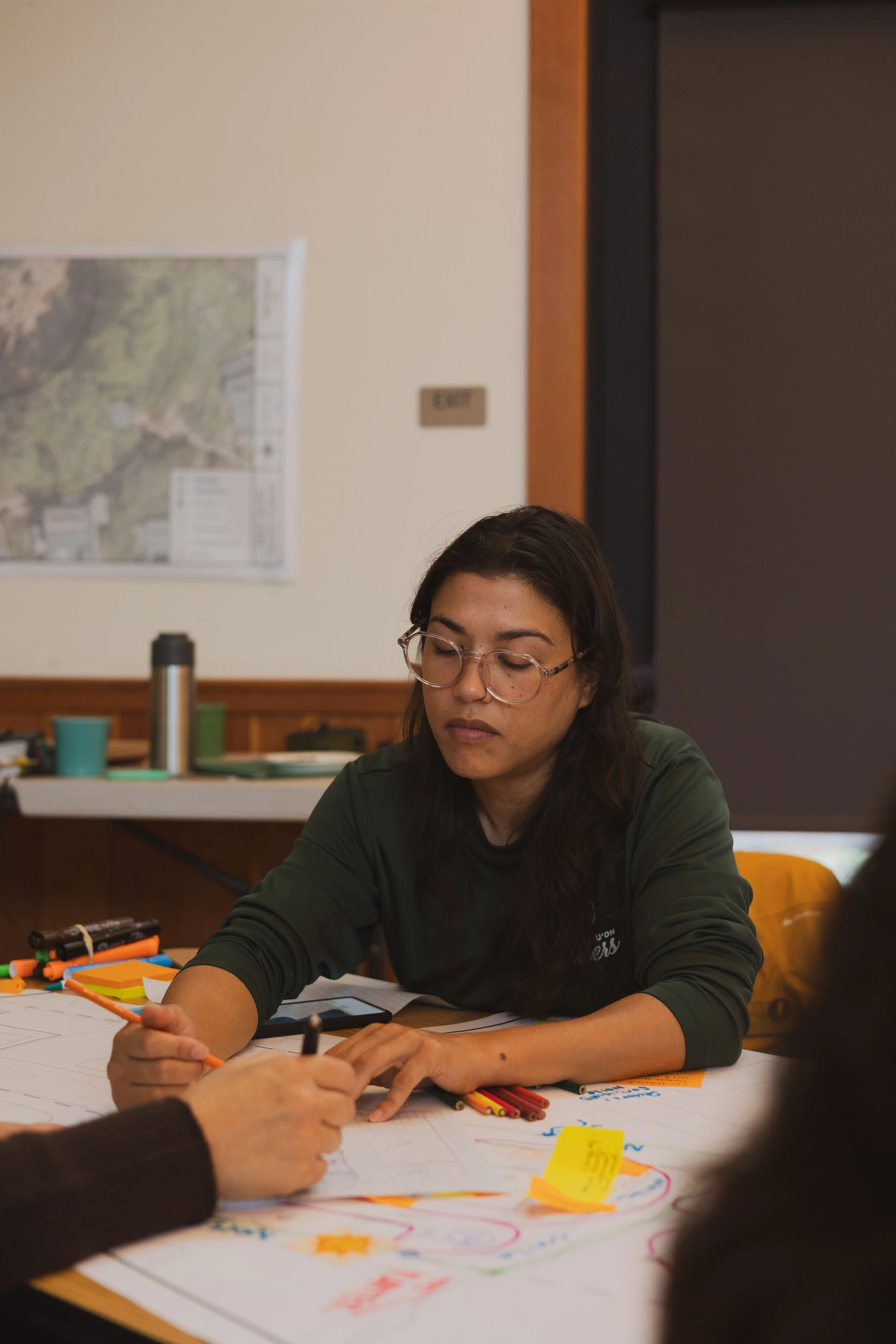
Michelle applying her design skills for the Occidental Community Center.
Beyond gardening and land management, we learned important lessons about community governance and the commons. Permaculture works best when a community is engaged, invested, and willing to participate. You cannot impose it from outside; the community must want it and work in it together.
In the end, OAEC also opened our eyes to global permaculture practices, showing us the creative and inspiring ways people around the world are designing resilient systems. From earth care to people care, from fair share principles to the flow of water and nutrients, every lesson will inform how we continue building our GSC Food Resiliency Hub.
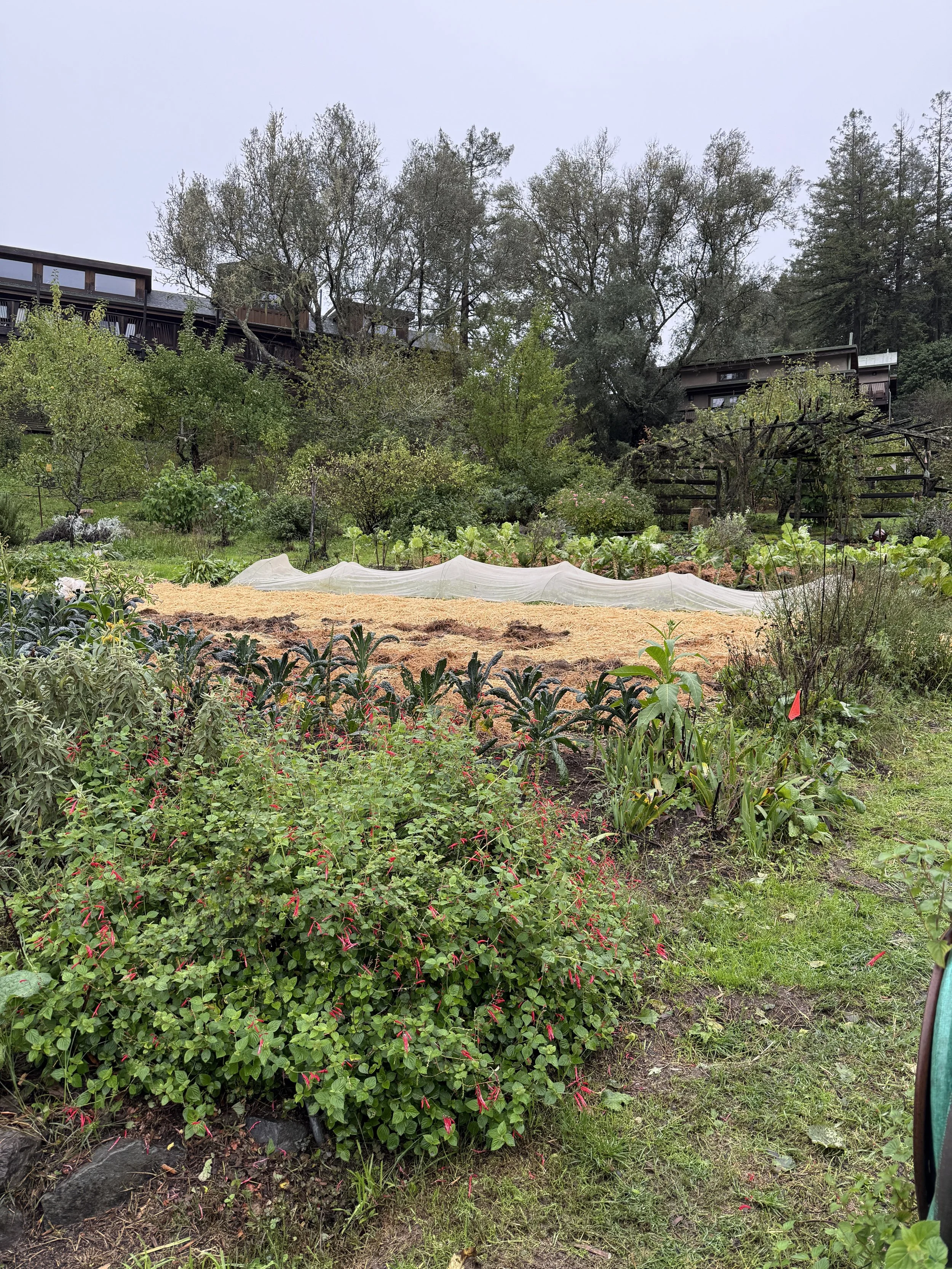
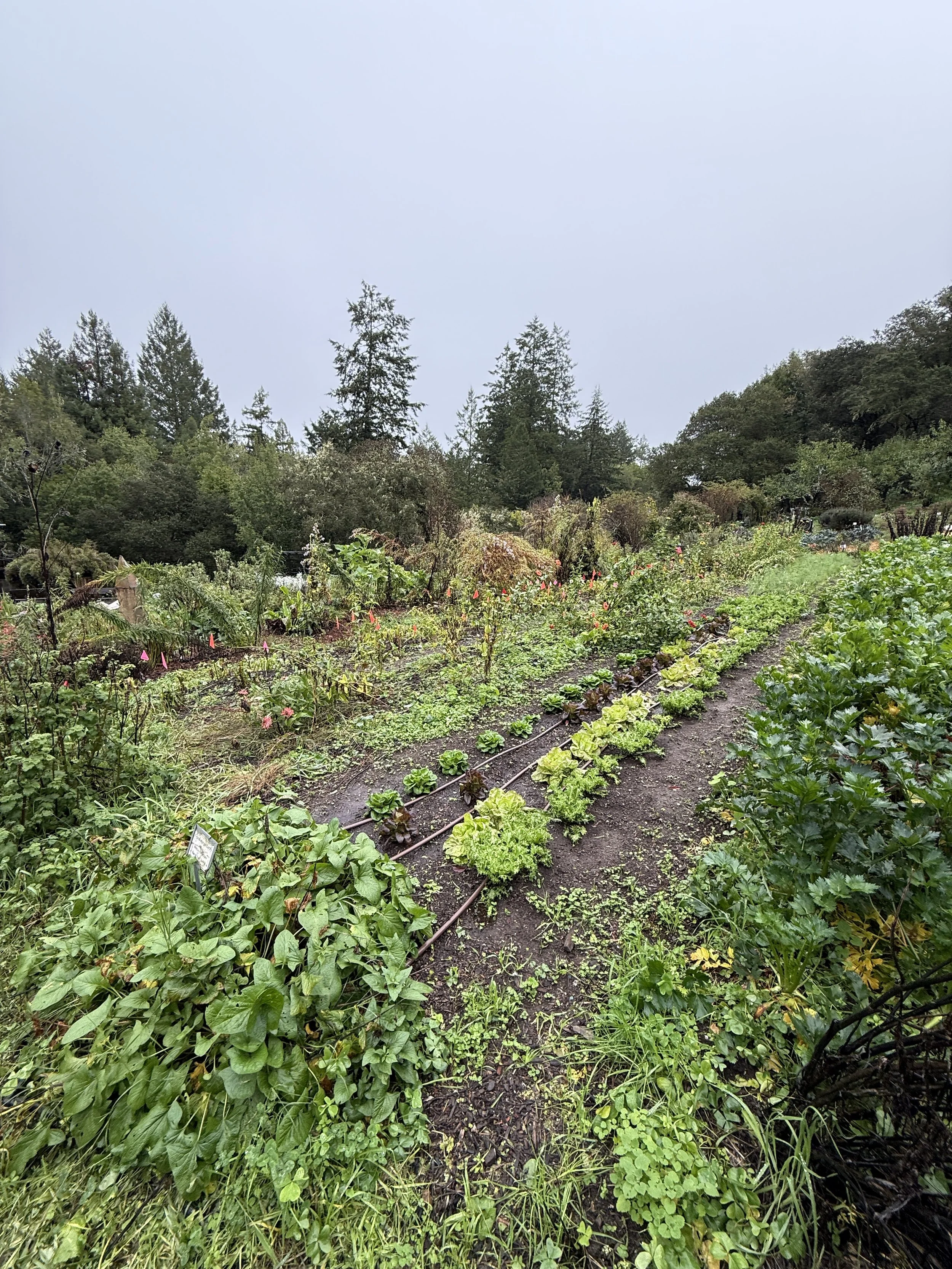
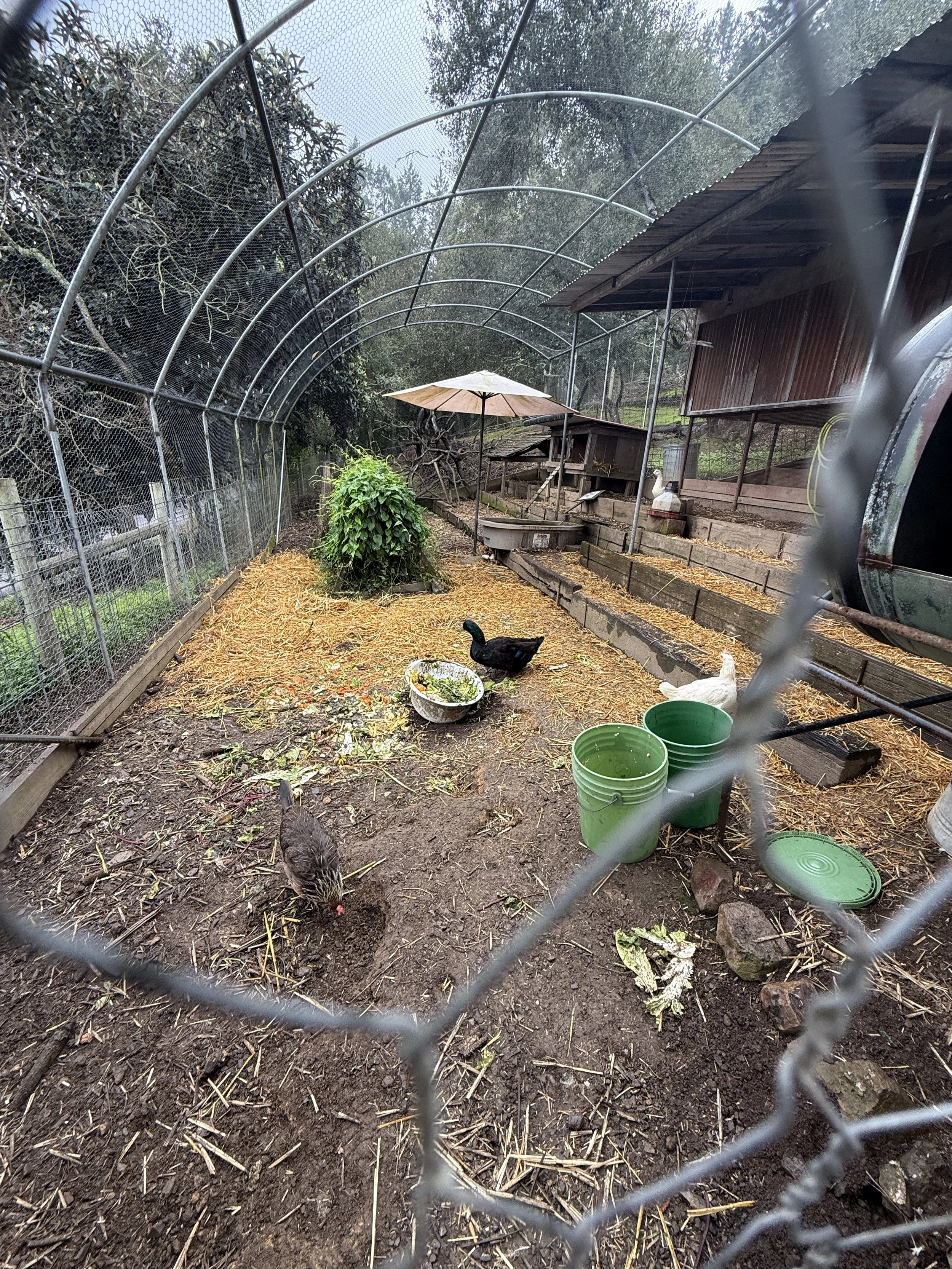
Some images above taken by Rachel Greenberg
